In my years of practice as an Ayurvedic Vaidya, I have seen thousands of patients walk into my clinic with watery eyes, continuous sneezing, blocked nose, heaviness in the head, and a tired look on their face. Most of them say the same thing,
“Doctor, every season change brings this problem. Medicines give relief for some time, but it always comes back.”
This is hay fever. Modern science calls it allergic rhinitis. Ayurveda sees it as a deeper imbalance of the body’s inner environment. It is not just a seasonal trouble. It is a message from your body that your immunity, digestion, and respiratory channels need healing, not just suppression.
Let us understand hay fever from both modern and Ayurvedic viewpoints, and more importantly, how to treat it from the root, not just control it for a few hours.
What is Hay Fever?
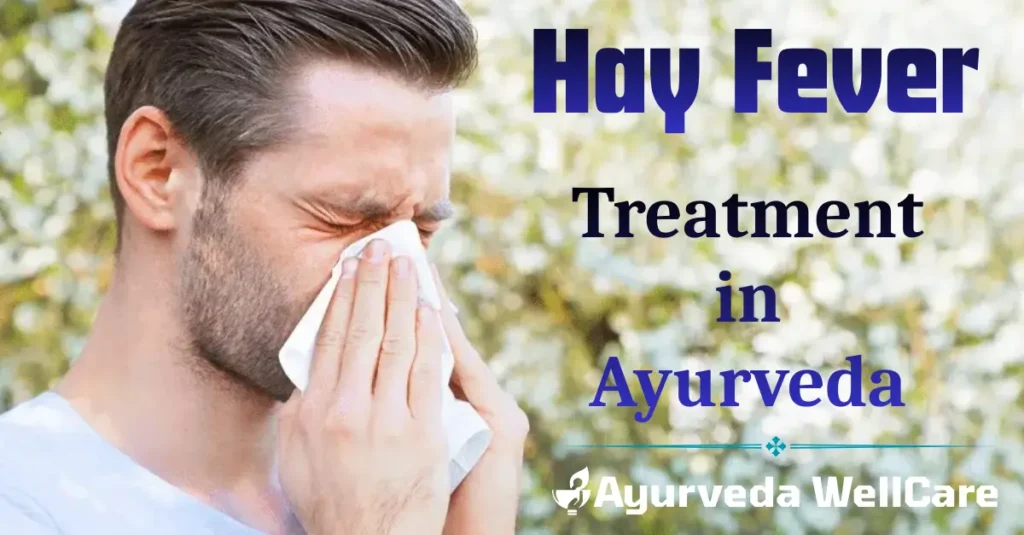
Hay fever is an allergic reaction of the body to substances like pollen, dust, smoke, animal dander, and environmental pollution. When these particles enter the nose, the immune system releases histamine, which leads to inflammation of the nasal passages, sinuses, throat, and eyes.
Ayurvedic Understanding
In Ayurveda, hay fever is described under conditions like Pratishyaya and Kaphaja-Vataja disorders. It is caused by:
- Weak Agni (digestive fire)
- Accumulation of Ama (toxins)
- Imbalance of Kapha and Vata doshas
- Hypersensitive respiratory channels (Pranavaha Srotas)
When the body becomes loaded with toxins and immunity becomes unstable, even harmless pollen starts appearing like a threat to the system. The result is continuous sneezing, watery discharge, and congestion.
Hay Fever Symptoms
Common Physical Symptoms
- Repeated sneezing
- Runny or blocked nose
- Itchy nose, throat, and ears
- Watery, red, burning eyes
- Postnasal drip
- Mild cough
- Pressure in forehead and sinuses
Deeper Systemic Symptoms
- Heaviness in the head
- Fatigue and laziness
- Disturbed sleep
- Loss of focus and clarity
- Reduced digestion during attacks
In Ayurveda, when Kapha blocks the channels and Vata becomes aggravated, the flow of Prana is disturbed. This is why patients feel dull, restless, and mentally irritated along with physical discomfort.
Hay Fever Causes
Modern Causes
- Pollen from trees, grass, weeds
- House dust mites
- Mold spores
- Pet hair and skin flakes
- Air pollution and chemical fumes
Ayurvedic Root Causes
- Long-term consumption of cold, heavy, oily, and junk food
- Excess curd, ice creams, bakery, refrigerated food
- Suppressed natural urges like sneezing and coughing
- Irregular sleep habits
- Mental stress weakening immunity
- Living in polluted environment
All these weaken Agni and create Ama. Once Ama circulates in the blood and respiratory channels, the body becomes hypersensitive and reacts violently to external triggers.
Is Hay Fever Contagious?
No, hay fever is not contagious. It does not spread from one person to another. It is not an infection but an allergic overreaction of your own immune system.
People often confuse it with common cold because symptoms look similar. But cold is caused by viruses and usually settles in a week. Hay fever continues as long as the allergen and internal imbalance remain.
How Long Does Hay Fever Last?
Seasonal Hay Fever
It appears during specific seasons like spring or monsoon when pollen count rises. It may last weeks or even months.
Perennial Hay Fever
When caused by dust mites, mold, or pets, it can trouble the patient throughout the year with varying intensity.
In Ayurveda, duration depends on:
- Strength of immunity (Ojas)
- Amount of accumulated toxins
- Dosha imbalance
- Lifestyle and diet discipline
Without correcting these, the condition keeps recurring year after year.
How to Stop Hay Fever Immediately?
Immediate Ayurvedic First Aid
- Steam inhalation with eucalyptus or ajwain
- Warm water gargling with turmeric and salt
- Two drops of warm Anu Taila or sesame oil in each nostril
- Drinking hot ginger-tulsi decoction
- Applying warm compress over sinuses
Practical Lifestyle Measures
- Avoid cold drinks and cold exposure
- Stay indoors during high pollen hours
- Wash face and hair after outdoor travel
- Use saline nasal wash (Neti) under guidance
These methods calm aggravated Vata and melt excess Kapha, giving fast relief without side effects.
Best Hay Fever Tablets and Herbs
Common Allopathic Tablets
Antihistamines like cetirizine, loratadine, and fexofenadine reduce symptoms temporarily but weaken the natural immune response if used continuously.
Powerful Ayurvedic Herbs
Haridra (Turmeric)
Natural antihistamine and anti-inflammatory. Purifies blood and reduces allergic sensitivity.
Tulsi
Balances Kapha, clears respiratory passages, and boosts immunity.
Yashtimadhu (Licorice)
Soothes irritated mucosa and strengthens lungs.
Pippali
Improves digestion and enhances respiratory strength.
Neem
Detoxifies blood and corrects immune hypersensitivity.
Cure Hay Fever Permanently with Ayurveda
Ayurveda does not believe in lifelong dependency on medicines. It believes in correcting the root imbalance so the disease does not return.
Ayurvedic Diagnosis
Hay fever is mainly a Kapha-Vata disorder with underlying Ama and weak Ojas. Treatment focuses on:
- Detoxification
- Strengthening digestion
- Balancing doshas
- Rebuilding immunity
Classical Ayurvedic Therapies
Nasya Therapy
Medicated oils like Anu Taila cleanse nasal passages, sinuses, and brain region, removing accumulated allergens and strengthening local immunity.
Panchakarma Detox
Vamana and Virechana remove deep-rooted Kapha and toxins from the system, resetting immune responses.
Rasayana Therapy
Chyawanprash, Ashwagandha, Guduchi, and Amalaki rebuild Ojas and prevent recurrence.
Effective Ayurvedic Formulations
- Haridra Khanda
- Sitopaladi Churna
- Talisadi Churna
- Godanti Bhasma
- Giloy Satva
These correct allergic tendency, strengthen lungs, and stabilize immunity.
Diet for Permanent Healing
- Warm, light, freshly cooked food
- Avoid curd at night, cold milk, bakery items
- Use ginger, pepper, cumin, and turmeric daily
- Drink warm water throughout the day
Yogic Support
- Anulom Vilom
- Bhramari Pranayama
- Jala Neti
- Daily morning sunlight exposure
These practices cleanse Pranavaha Srotas and stabilize nervous and immune systems.
Closing Thoughts
Hay fever is not a small seasonal nuisance. It is a signal that your body’s inner balance is disturbed. Suppressing it with repeated antihistamines is like silencing a warning bell without fixing the fire.
Ayurveda teaches us that when digestion is strong, toxins are eliminated, immunity is stable, and doshas are balanced, the body no longer overreacts to nature. Pollen becomes just pollen, dust becomes just dust, not a trigger for suffering.
As a Vaidya, I have seen patients who suffered for years finally breathe freely again after proper Ayurvedic purification, diet correction, and herbal support. Not for days, but for years without relapse.
True healing is not temporary relief.
True healing is when the body remembers its natural intelligence.
That is the promise of Ayurveda.
Great content! Keep up the good work!